
HOME | WEALTH CREATION CYCLE | ASSESSMENT | BOOK | WORK WITH JOHN | INSIGHTS | ABOUT JOHN | CONTACT
insights

Why Good Businesses Lose Their Commercial Edge
A business can remain profitable, retain loyal customers and appear to be performing well, while gradually losing its competitive position. John Kettley examines the dangers of the ‘velvet rut’, why established success can conceal commercial decline, and what owners should be questioning before the financial results begin to deteriorate.
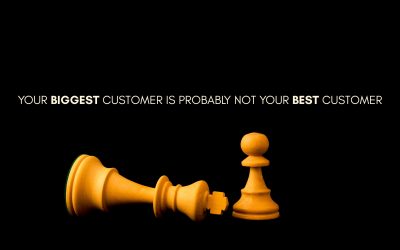
Your biggest customer is probably not your best customer
Most established business owners know who their biggest customers are, but do they know which customers actually contribute the most profit? Turnover only tells part of the story. Additional servicing costs, management time, payment terms and long-standing commercial arrangements can make a substantial difference to customer profitability. John F. Kettley explains why understanding the true value of your customer relationships can help build a stronger, more profitable business.

Thinking of Selling Your Business?
Many business owners only start preparing their company for sale once they’ve decided to leave. By then, important improvements can be difficult to make. John F. Kettley explains what buyers look for, why preparation takes time and how building a more valuable business creates greater choice for its owner.
Are Some of Your Best Customers Actually Your Least Profitable?
A customer you’ve dealt with for ten years can feel like one of your best customers, but when did you last look properly at what it now costs to service them? Old pricing, additional requirements and years of small concessions can gradually turn good turnover into surprisingly poor profit.

What Experienced Buyers Look for in a Business
Experienced buyers don’t start with the accounts. They look at the owner, the leadership team, the market position and whether the business can succeed without its founder. The numbers matter, but the real signs of value often appear long before the financial statements are opened.
What Founders Often Misunderstand About Business Value
Many founders believe business value is driven by turnover and negotiated at the point of sale. In reality, value is built over many years through leadership, profitability, commercial awareness and strong decision making. In this article, John Kettley shares what experienced buyers really see when they assess a business and why confidence often matters more than size.
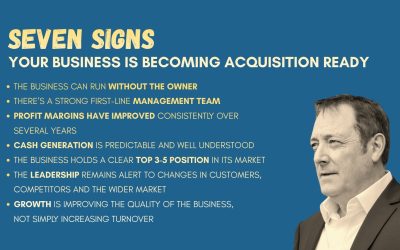
Seven Signs Your Business Is Becoming Acquisition Ready
Many business owners believe acquisition readiness begins when they decide to sell. In reality, the strongest businesses have been preparing for years. In this article, John Kettley explains the characteristics experienced buyers recognise long before they review the accounts, and why building a valuable business is about far more than increasing turnover.

You’re Not Preparing Your Business for Sale. You’re Preparing It for the Future.
Most business owners think exit planning starts with valuations and legal documents. In reality, it starts much earlier. This article explores why building a business that can succeed without its founder creates stronger leadership, better decision making and more freedom, whether you plan to sell, pass the business on, or continue leading it for years to come.
The Business Is Usually a Reflection of the Owner
Good businesses rarely become strong assets by accident. John Kettley explains why the owner’s thinking, behaviour, and commercial discipline show up in the value, resilience, and readiness of the company.
Cash is still the killer: late payment, retentions and weak discipline
Most construction failures don’t start with a lack of work. They start with weak cash control. Late payment, disputed payment and poor forecasting can sink a business long before the pipeline runs dry.

JOHN F. KETTLEY
Business • Wealth • Freedom
john@johnfkettley.com
© JOHN F KETTLEY | Privacy & Cookies | Web Design
© JOHN F KETTLEY | Privacy & Cookies | Web Design